
Early support.Meaningful everyday progress.
A thoughtful, individualised programme that helps young children build communication, play, learning and independence while giving families practical support for life beyond the therapy room.
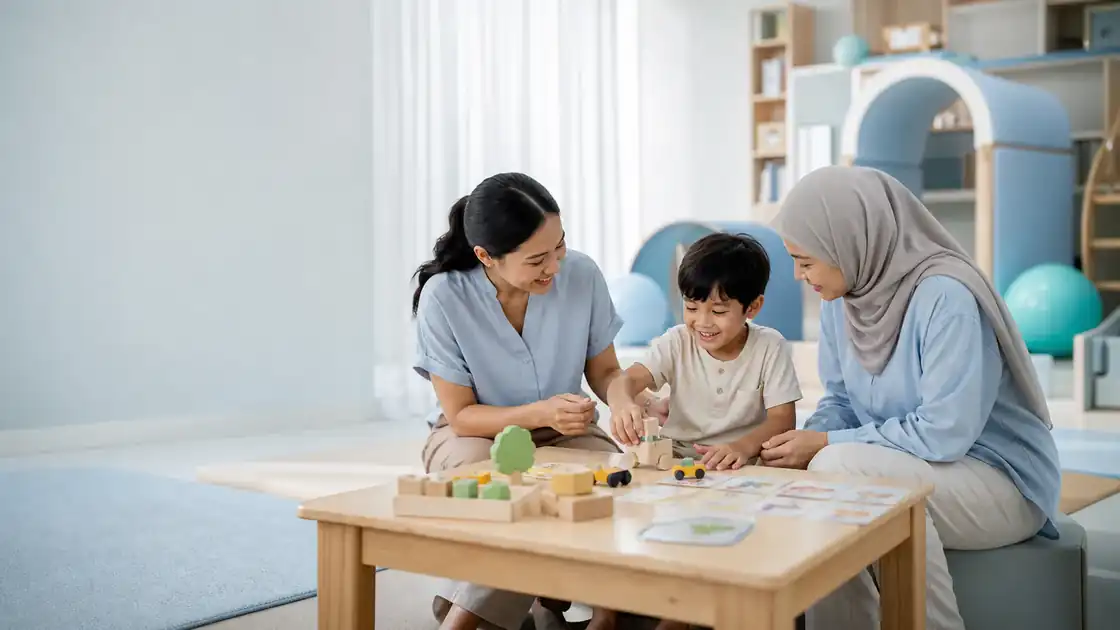
Support that meets the whole child.
Early Intervention is for young children who may need extra support to participate, communicate, learn and connect in everyday life.
At Guiding Stars, the programme begins with understanding—not assumptions. We look at your child’s strengths, current skills, interests, routines and family priorities, then create goals that are useful at home, in the community and as your child prepares for school.
- Developmental delays or differences
- Autism or emerging autism-related needs
- Speech, language or social communication needs
- Challenges with play and learning readiness
- Sensory or emotional regulation differences
- Daily-living and participation goals
Skills that open up everyday possibilities.
Priorities are selected from your child’s individual profile. Not every child needs every area, and goals evolve as confidence grows.
Communication
Understanding, expressing needs, shared attention and meaningful interaction—with speech or other supportive communication approaches as appropriate.
Play & connection
Enjoying play, building engagement, taking turns, sharing interests and learning with other people.
Learning readiness
Attention, imitation, flexible thinking, following routines and approaching new learning with growing confidence.
Regulation
Recognising sensory and emotional needs and building supportive routines for calmer, more successful participation.
Everyday independence
Age-appropriate participation in dressing, toileting, mealtimes, transitions and other family routines.
Family confidence
Simple, realistic strategies caregivers can use during ordinary moments—without turning home into a therapy clinic.
A plan built with you, not handed to you.
Early intervention works best when goals are relevant, measurable and connected to real routines.
First conversation
We listen to your concerns, priorities and what is already working.
Developmental picture
Observation and appropriate assessment help us understand strengths and support needs.
Shared goals
We agree on a focused plan with outcomes that matter to your family.
Active sessions
Playful, responsive learning is combined with practical caregiver guidance.
Review & refine
Progress is discussed regularly and goals are adjusted thoughtfully.
Strategies that fit real life.
Your child spends far more time with family than in a session. We help caregivers recognise opportunities in play, meals, dressing, outings and other familiar routines so new skills can become useful and sustainable.
- Understand the purpose behind each goal
- See strategies modelled in clear, practical language
- Share what works—and what does not—at home
- Celebrate meaningful progress, not perfection
You do not need to wait and worry.
Consider speaking with the team if your child is not meeting expected milestones, has lost previously used skills, communicates or plays differently from peers, finds everyday routines very difficult, or if your instinct says extra support would help.
Development varies. An enquiry does not label your child; it creates an opportunity to understand what support, if any, may be useful.
What families often ask.
Does my child need a diagnosis to join EIP?
Not necessarily. Suitability is based on your child’s developmental needs and the programme’s ability to support them. The team can explain the appropriate first step.
How often will my child attend?
Frequency depends on goals, age, availability, tolerance and family circumstances. Recommendations should be individualised after an initial discussion and assessment.
Will EIP prepare my child for school?
School readiness may be part of the plan, including communication, routines, independence, participation and early learning behaviours. No programme can guarantee a particular placement or outcome.
How will I know whether it is helping?
Goals are reviewed using observations, caregiver feedback and agreed indicators of progress. The team should explain what is being tracked and adapt the plan when needed.
Let us understand your child first.
Tell us what you have noticed and what you hope everyday life could feel like.
Programme information is educational and does not replace individual developmental, medical or diagnostic assessment. Recommendations and outcomes vary by child.


